


Safety Data Sheets (SDS), formerly known as Material Safety Data Sheets (MSDS), are crucial documents that ensure workplace safety, environmental protection, and regulatory compliance. These documents provide comprehensive information about the properties, hazards, handling procedures, and emergency measures related to chemicals and hazardous substances.
Understanding who is legally responsible for providing these documents is essential for all parties involved in the chemical supply chain—from manufacturers and distributors to employers and employees.

What Are Safety Data Sheets (SDS)?
A Safety Data Sheet (SDS) is a detailed informational document prepared by the manufacturer or importer of a chemical substance. It outlines:
- Chemical Identification: Name, synonyms, and contact information of the supplier.
- Hazard Identification: Potential health, physical, and environmental risks.
- Composition: Information on chemical ingredients.
- First-Aid Measures: Instructions for exposure treatment.
- Fire-Fighting Measures: Suitable firefighting methods and extinguishing techniques.
- Accidental Release Measures: Guidelines for managing leaks or spills.
- Handling and Storage: Safe handling, usage, and storage procedures.
- Exposure Controls/Personal Protection: Recommended safety equipment and exposure guidelines.
- Physical and Chemical Properties: Information on appearance, odor, boiling point, etc.
- Stability and Reactivity: Possible chemical reactions and stability information.
- Toxicological Information: Health risks from chemical exposure.
- Ecological Information: Impact on the environment.
- Disposal Considerations: Safe disposal methods.
- Transport Information: Guidelines for safe shipping.
- Regulatory Information: Relevant laws and regulations.

The Legal Importance of Safety Data Sheets (SDS)
SDS are critical for workplace safety, environmental protection, and regulatory compliance. Their legal importance lies in ensuring that manufacturers, distributors, and employers provide accurate chemical information and follow safety standards.
1. Regulatory Compliance
- OSHA (U.S.): SDS are mandatory under the Hazard Communication Standard (HCS).
- REACH & CLP (EU): SDS help meet chemical safety and environmental regulations.
- GHS: Standardizes SDS content globally.
2. Preventing Accidents and Protecting Workers
SDS guide employees on proper chemical handling, emergency measures, and safe practices, reducing risks of exposure and injuries.
3. Environmental Protection
They provide procedures for disposal and spill management, helping prevent environmental contamination and ensuring compliance with laws.
4. Legal Liability and Penalties
Non-compliance can result in fines, lawsuits, and reputational damage, with OSHA fines reaching up to $12,000 per violation.
5. Employer Responsibilities
Employers must ensure SDS are accessible, updated, and used for training, maintaining a safe work environment.
SDS are more than a legal obligation—they ensure worker safety, environmental protection, and business continuity. Compliance helps prevent accidents, fines, and liability while promoting a safe workplace.
Who Is Legally Responsible for Providing SDS?
The responsibility for providing SDS primarily falls on several key stakeholders within the supply chain.
1. Manufacturers and Importers
Manufacturers and importers bear the primary responsibility for compiling, maintaining, and distributing SDS.
- Manufacturers: Entities that produce chemicals must create accurate SDS for all hazardous products.
- Importers: Responsible for ensuring that SDS comply with local regulations for chemicals brought into the country.
Duties of Manufacturers and Importers:
- Preparation: SDS must adhere to regulatory standards, including hazard identification and safe handling instructions.
- Updating: SDS must be revised if new information on hazards or safety measures becomes available.
- Distribution: SDS must accompany the first shipment of chemicals and be reissued whenever updates occur.
Failure to provide accurate and updated SDS can result in regulatory penalties and legal liability.
2. Distributors
Distributors, including wholesalers and retailers, are responsible for ensuring that SDS are provided to downstream users.
- Provision: SDS must accompany the initial delivery of any hazardous substance.
- Accessibility: Distributors must ensure that customers have access to current SDS when requested.
Penalties for non-compliance can reach $12,000 per violation, making it essential for distributors to maintain up-to-date documentation.
3. Employers
Employers using hazardous chemicals in the workplace have several responsibilities under SDS regulations.
- Availability: SDS must be accessible to employees throughout each shift.
- Training: Workers must be educated on chemical hazards and safe handling practices based on SDS information.
- Maintenance: Employers must update their SDS library whenever new or revised SDS are received.
Employers also need to conduct regular audits to ensure their SDS library is complete and up-to-date. Failing to do so not only risks penalties but also endangers worker safety.
The Supplier’s Role in the Supply Chain
In the chemical supply chain, suppliers—which include manufacturers, importers, distributors, and retailers—play a key role in ensuring that Safety Data Sheets (SDS) are accurate, accessible, and compliant with regulations. Their responsibilities extend beyond simply delivering products; they must verify, distribute, and update SDS as needed to protect users and maintain regulatory compliance.
1. Responsibility for SDS Content
- Suppliers are responsible for the accuracy of the SDS they distribute, even if they did not prepare the original document.
- If an SDS is translated or adapted, suppliers must ensure the content is correct and aligned with regulatory standards.
- Errors or outdated information must be identified and corrected before distributing the SDS.
2. Distribution of SDS
- First Shipment: Suppliers must provide SDS with the initial delivery of hazardous substances.
- Updated SDS: If changes occur (e.g., new hazard information), the supplier must provide the updated version to all customers.
3. Legal Accountability
- Even if a supplier uses a translated SDS or one provided by a manufacturer, they remain legally responsible for the content they distribute.
- Non-compliance can result in fines and penalties (up to $12,000 per violation) and increase liability in the event of chemical incidents.
4. Supporting Safety Down the Chain
- Suppliers ensure downstream users—such as distributors, employers, and workers—have the necessary chemical safety information.
- SDS serve as a key resource for training employees and maintaining safe workplaces.
Suppliers play a crucial role in the safety and regulatory compliance of chemical products. They must ensure that SDS are accurate, updated, and distributed correctly, even when the content originates elsewhere. Their vigilance helps safeguard employees, protect the environment, and maintain compliance throughout the supply chain.
The Role of SDS in Workplace Safety
Safety Data Sheets (SDS) are critical tools for maintaining a safe workplace, especially when dealing with hazardous chemicals. They provide detailed information that helps employers, employees, and safety personnel understand and manage the risks associated with chemical exposure.
1. Hazard Communication
SDS serve as the primary resource for communicating the hazards of chemicals used in the workplace. They outline crucial details such as:
- Health hazards (e.g., toxicity, carcinogenicity)
- Physical hazards (e.g., flammability, reactivity)
- Environmental hazards (e.g., impact on ecosystems)
This information ensures that workers are aware of the risks and can take necessary precautions.
2. Safe Handling and Storage
SDS provide guidelines for the safe handling, storage, and transportation of chemicals. This includes:
- Proper personal protective equipment (PPE)
- Safe storage conditions (e.g., temperature, containment)
- Instructions for chemical transport to prevent accidents
Following these guidelines helps prevent chemical spills, leaks, and workplace injuries.
3. Emergency Procedures
In case of an accident, SDS detail emergency response measures, such as:
- First-aid instructions for chemical exposure
- Firefighting measures for flammable substances
- Steps to contain and manage accidental releases
These procedures are essential for quick and effective action during chemical incidents, reducing harm to workers and minimizing damage.
4. Regulatory Compliance
Employers must ensure that SDS are accessible to all employees during their shifts, fulfilling regulatory requirements like OSHA's Hazard Communication Standard. Compliance with these regulations not only protects workers but also shields the business from legal repercussions and penalties.
5. Worker Training and Awareness
SDS are integral to safety training programs, helping employees:
- Understand the hazards of chemicals they handle
- Learn the proper handling techniques and use of protective gear
- Know how to respond to emergencies such as spills or chemical exposure
Training based on SDS content ensures that workers are well-prepared and reduces the likelihood of accidents.

Regulatory Frameworks Governing SDS
Safety Data Sheets (SDS) are regulated by laws and standards across different regions to ensure consistent communication of chemical hazards. These frameworks hold manufacturers, importers, distributors, and employers accountable for preparing, updating, and distributing SDS to protect workers, the public, and the environment.
1. OSHA's Hazard Communication Standard (HCS) – United States
The Occupational Safety and Health Administration (OSHA) regulates SDS under the Hazard Communication Standard (HCS) (29 CFR 1910.1200).
- Requirements: SDS must accompany hazardous chemicals used in the workplace and be accessible to employees.
- Format: SDS must follow a standardized 16-section format that includes hazard identification, handling, storage, first-aid, and disposal instructions.
- Updates: Manufacturers and suppliers must revise SDS when new safety information becomes available.
2. REACH and CLP Regulations – European Union
The REACH Regulation (EC No. 1907/2006) and the CLP Regulation (EC No. 1272/2008) govern SDS requirements in the European Union.
- REACH: Requires manufacturers and importers to register chemicals and provide SDS to ensure safe handling across the supply chain.
- CLP: Standardizes the classification, labeling, and packaging of chemicals to align with global practices.
- Obligations: SDS must reflect the latest scientific data and include necessary warnings and precautions for hazardous substances.
3. Globally Harmonized System (GHS)
The GHS provides a worldwide standard for the classification and labeling of chemicals, including SDS content. Many countries, including the U.S. and EU member states, have adopted GHS guidelines.
- Purpose: Harmonizes chemical hazard communication across borders, facilitating international trade.
- Impact: SDS are required to follow a consistent 16-section format and provide the same level of hazard information, regardless of the country.
4. Other Jurisdictions and Local Regulations
Many countries and regions outside the U.S. and EU have adopted their own SDS regulations based on GHS principles, with local adaptations.
- Canada: Follows the Workplace Hazardous Materials Information System (WHMIS), which aligns with GHS.
- Australia: Enforces SDS regulations under Work Health and Safety (WHS) laws, ensuring chemical safety in workplaces.
- Japan and South Korea: Both countries have incorporated GHS into their regulatory frameworks to promote chemical safety.
5. Penalties for Non-Compliance
Regulatory bodies such as OSHA and ECHA (European Chemicals Agency) impose fines for missing, inaccurate, or outdated SDS. Non-compliance can result in:
- Fines: Up to $12,000 per violation in the U.S.
- Legal liability: Lawsuits or claims due to chemical-related accidents.
- Business disruptions: Suspension of operations or loss of licenses.
Regulatory frameworks like OSHA’s HCS, REACH/CLP, and GHS ensure SDS compliance globally, promoting worker safety and environmental protection. These frameworks require stakeholders to provide accurate, up-to-date SDS and maintain transparency across the chemical supply chain. Compliance with these regulations is essential to avoid penalties, reduce risks, and support a safe working environment.
How to Manage Safety Data Sheets (SDS) Effectively
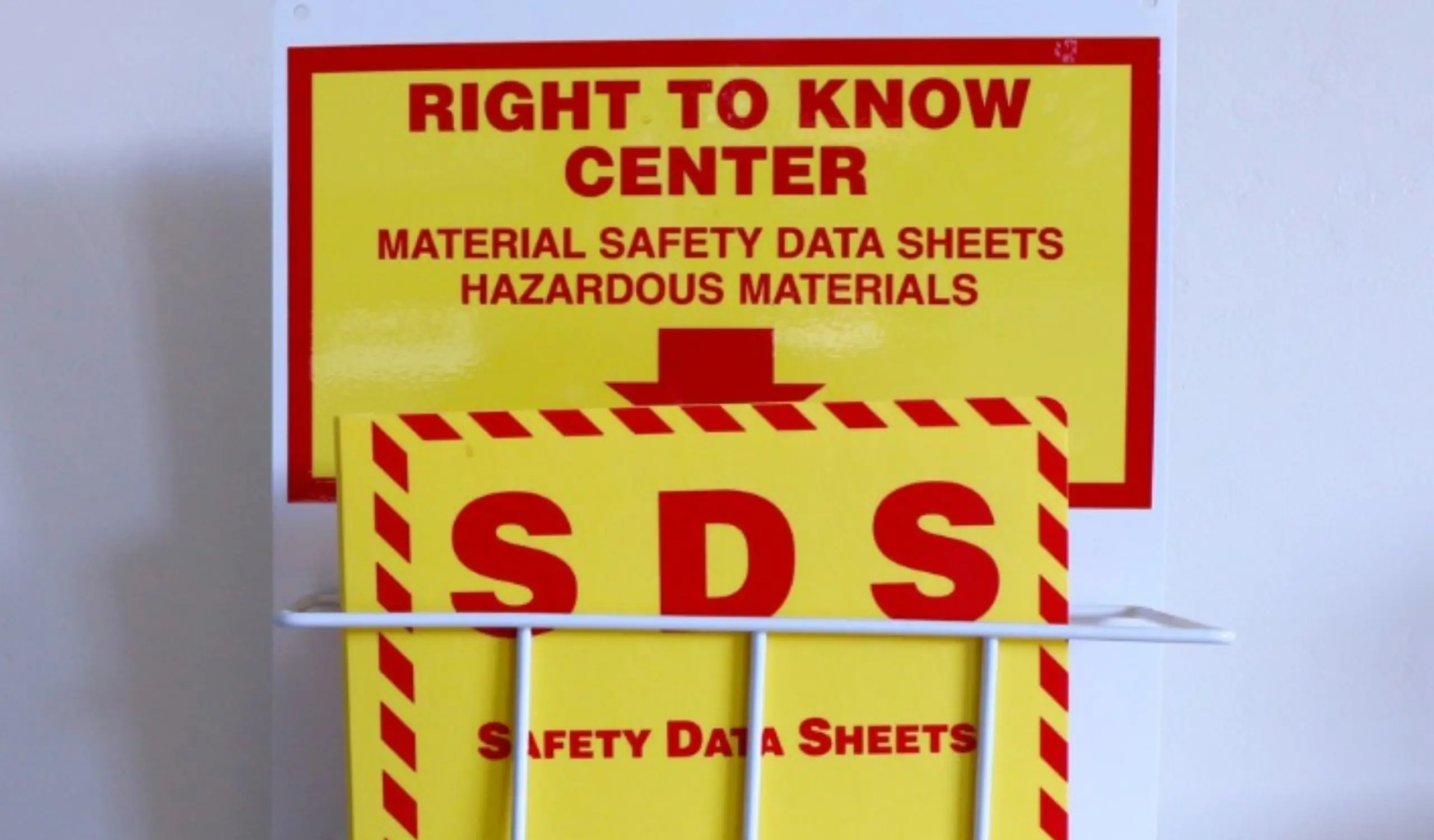
Managing Safety Data Sheets (SDS) is essential for ensuring workplace safety, regulatory compliance, and quick access to vital chemical information. Effective SDS management involves keeping accurate records, ensuring accessibility, updating documents, and training employees on their proper use.
1. Centralized Storage and Accessibility
- Create a Central Repository: Store all SDS in one location, either in digital format (e.g., SDS management software) or physical binders.
- Ensure Accessibility: Make SDS easily accessible to employees during all shifts. They must be available at or near areas where chemicals are used or stored.
- Cloud-Based Systems: Consider using online platforms that allow employees to access SDS from multiple devices and locations.
2. Regular Audits and Updates
- Audit SDS Periodically: Conduct regular audits to ensure all SDS are current and relevant. Outdated or missing SDS can result in non-compliance.
- Update SDS When Necessary: Ensure SDS are updated when:
- New information about a chemical’s hazard becomes available.
- The chemical’s composition changes.
- Communication with Suppliers: Regularly request updated SDS from manufacturers or distributors to ensure your records are complete.
3. Employee Training and Awareness
- Integrate SDS into Training Programs: Train employees to understand and use SDS effectively, focusing on:
- Hazard identification
- Handling and storage instructions
- Emergency measures (e.g., first aid, spill response)
- Onboarding New Employees: Include SDS training as part of the onboarding process for new hires working with hazardous chemicals.
4. Utilize SDS Management Software
- Automate SDS Management: SDS software can streamline record-keeping, automatically notify you of updates, and allow quick access to SDS.
- Multi-Device Support: These platforms often provide access across devices, making it easier for employees to retrieve SDS on the go.
- Compliance Tracking: Some systems help track regulatory compliance by generating reports and reminders for audits.
5. Ensure Compliance with Regulatory Standards
- Follow OSHA and GHS Standards: Ensure that SDS meet OSHA, GHS, and other regulatory guidelines.
- Document Management Procedures: Have a clear SDS management policy outlining responsibilities for maintaining and distributing SDS.
6. Emergency Preparedness and Incident Response
- Emergency Protocols: Ensure SDS are integrated into emergency response plans for chemical spills, fires, or exposure incidents.
- First-Aid Stations and Fire Extinguishers: Position relevant SDS near first-aid kits and firefighting equipment to guide responders in emergencies.
7. Supplier Communication and Collaboration
- Establish Supplier Relationships: Maintain open communication with manufacturers, importers, and distributors to obtain accurate and updated SDS.
- Request Missing SDS Promptly: If an SDS is not provided with a chemical, contact the supplier immediately to avoid compliance issues.
Penalties for Non-Compliance with Safety Data Sheets (SDS) Requirements
Non-compliance with Safety Data Sheet (SDS) regulations can lead to severe financial, legal, and operational consequences. Regulatory bodies such as OSHA in the U.S. and ECHA in the European Union enforce strict rules, and failure to meet these requirements can result in fines, lawsuits, and reputational damage.
1. Financial Fines and Penalties
- OSHA Penalties (U.S.):
OSHA can impose fines of up to $12,000 per violation for failing to provide SDS or maintain updated records. Repeated or willful violations may result in higher penalties. - ECHA Fines (EU):
Non-compliance with REACH and CLP regulations can lead to significant fines, which vary by country. In some cases, the fines are based on the company’s turnover to ensure the penalty is proportional to the offense. - Other Countries:
Countries following GHS standards also impose financial penalties for missing, outdated, or incorrect SDS.
2. Legal Liability
- Lawsuits and Compensation Claims:
If employees or third parties suffer injuries or harm due to missing or inaccurate SDS, companies may face lawsuits or compensation claims for negligence. - Criminal Liability:
In extreme cases, especially when negligence leads to fatalities or severe environmental damage, businesses and individuals may face criminal charges.
3. Business Disruptions and Operational Risks
- Suspension of Operations:
Regulatory bodies may suspend or restrict operations until compliance is achieved. This can disrupt production and lead to financial losses. - Loss of Business Licenses:
Continued non-compliance can result in the revocation of business licenses or permits, limiting the company’s ability to operate legally.
4. Reputational Damage
- Loss of Trust:
Non-compliance with SDS regulations can damage the company’s reputation among customers, partners, and employees. - Impact on Business Relationships:
Suppliers, distributors, and clients may choose to stop working with non-compliant companies, leading to lost business opportunities.
5. Environmental Fines
- Ecological Damage:
If improper handling or disposal of chemicals harms the environment due to missing or incomplete SDS, companies may face environmental fines and clean-up costs. - Regulatory Scrutiny:
Violations often attract the attention of environmental agencies, increasing the frequency of inspections and audits.
How to Avoid Penalties
- Regular Audits: Perform routine audits to ensure SDS records are accurate and complete.
- Update SDS Promptly: Ensure that SDS are updated whenever new hazard information becomes available.
- Train Employees: Provide regular training to employees on using SDS effectively.
- Collaborate with Suppliers: Maintain open communication with suppliers to ensure you receive the latest SDS versions.
Conclusion
By law, the responsibility for providing Safety Data Sheets (SDS) lies primarily with manufacturers and importers, who must ensure that the documents are accurate, complete, and distributed with the initial shipment. Distributors play a vital role in passing along SDS to downstream users, while employers must make sure the sheets are accessible to employees and incorporated into safety protocols.
Compliance with SDS regulations is not just a legal requirement—it is a moral obligation that ensures the safety of workers, the protection of the environment, and the smooth operation of businesses. Proper SDS management helps prevent chemical incidents, reduces workplace injuries, and ensures that all stakeholders have the necessary information to handle hazardous substances safely.














Discussion & Comments