Danger Signs: What They Mean and Where They're Required
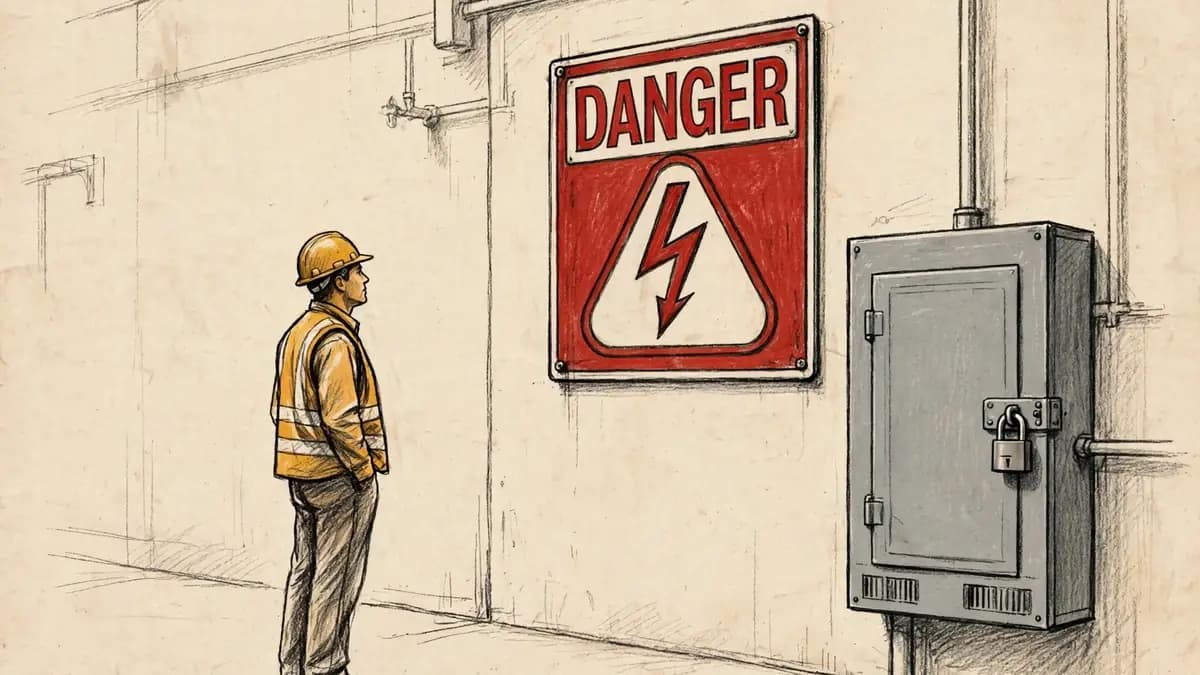
A danger sign warns of an immediate hazard that will cause death or serious injury if it is not avoided. The red header, the OSHA design rules, and where the signs belong.
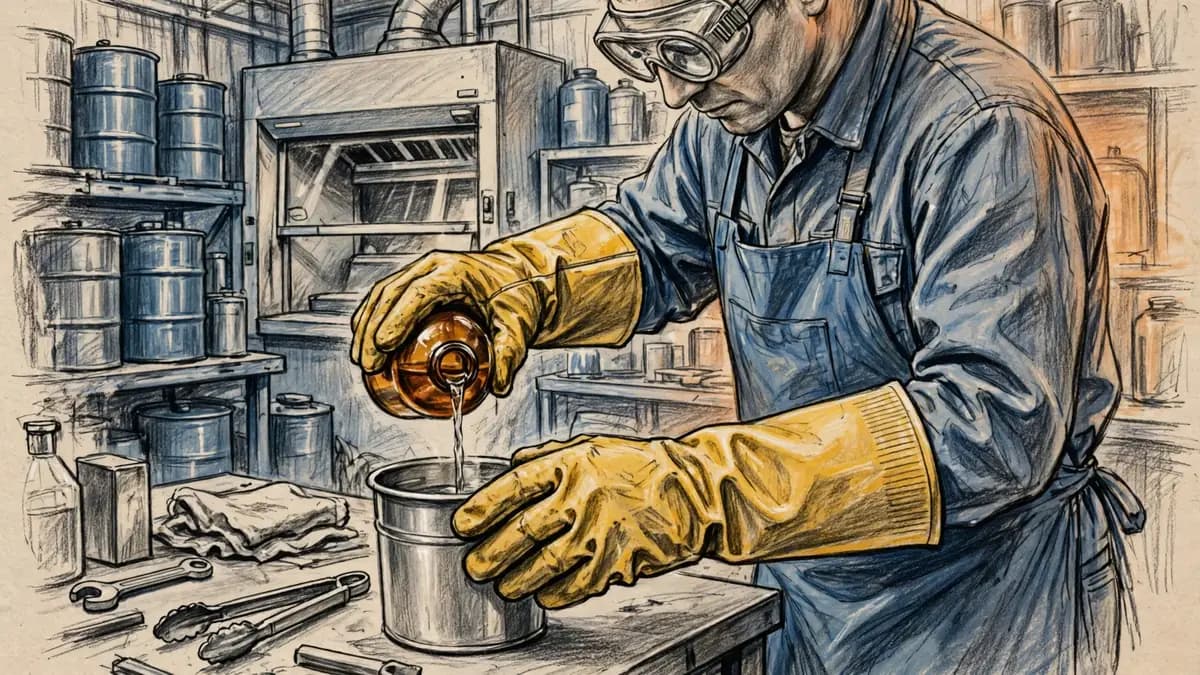
Chemical-resistant gloves fail silently when the material does not match the chemical. Learn the seven materials, breakthrough time, EN ISO 374 types and the six-step way to choose.
A danger sign warns of an immediate hazard that will cause death or serious injury if it is not avoided. The red header, the OSHA design rules, and where the signs belong.
Twenty toolbox talk topics with the rule behind each one, a ten-minute format that works, and a sign-in record that stands up after an incident.
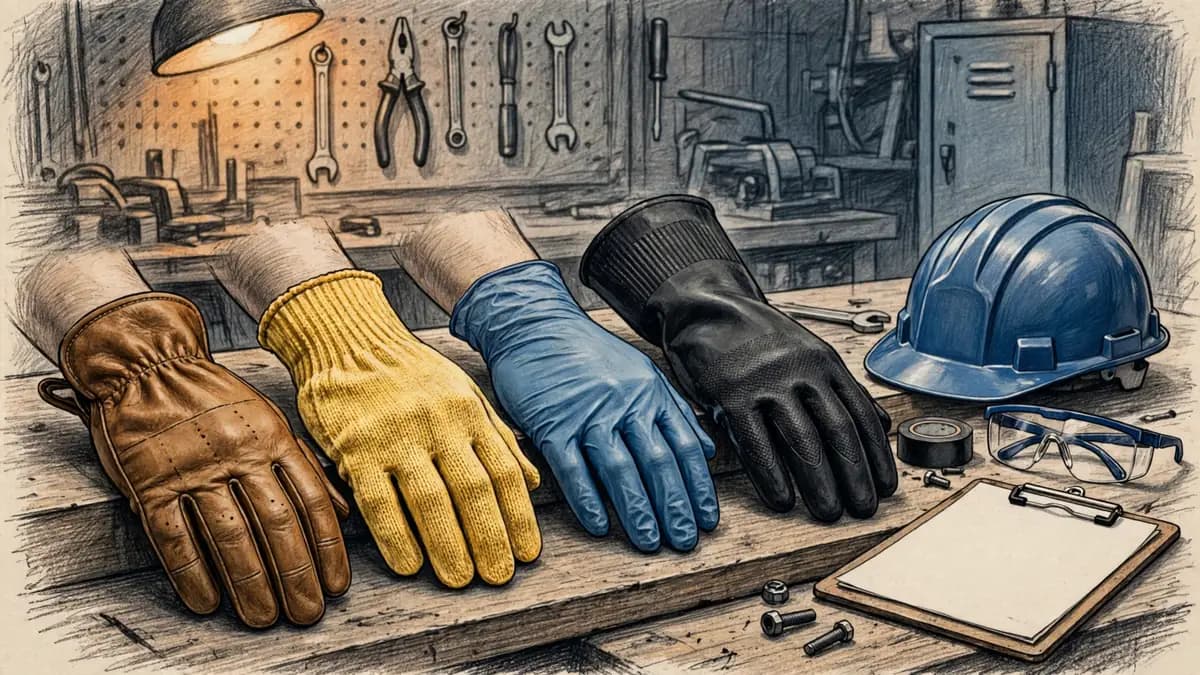
Match the glove to the hazard: cut levels A1–A9, chemical breakthrough times, heat and cold ratings, electrical classes, and impact and vibration — with fit, inspection and a buying checklist.
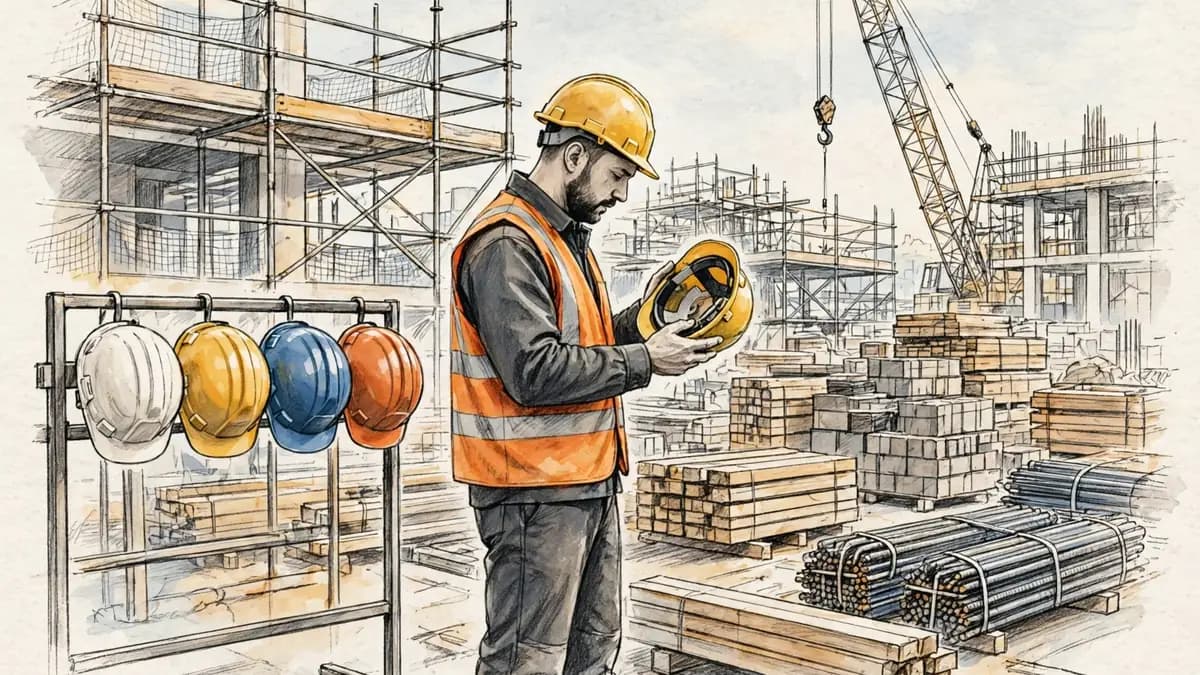
Hard hat types explained: Type I vs Type II impact protection, Class G, E and C electrical ratings, common colour meanings, and a step-by-step way to choose, fit and inspect the right hat.
Hazardous materials on a construction site — fuels, solvents, asbestos, lead paint, silica dust — need a plan before they arrive: identification, labelling, safe storage, spill response and legal disposal.
An environmental management framework is the documented set of policy, processes, responsibilities and controls that manage environmental impacts and legal duties, built step by step on Plan-Do-Check-Act.
What exit signs mean and where they must be placed: the US EXIT sign and the UK running man, sign types, the 100-foot rule, illumination, emergency power and testing.
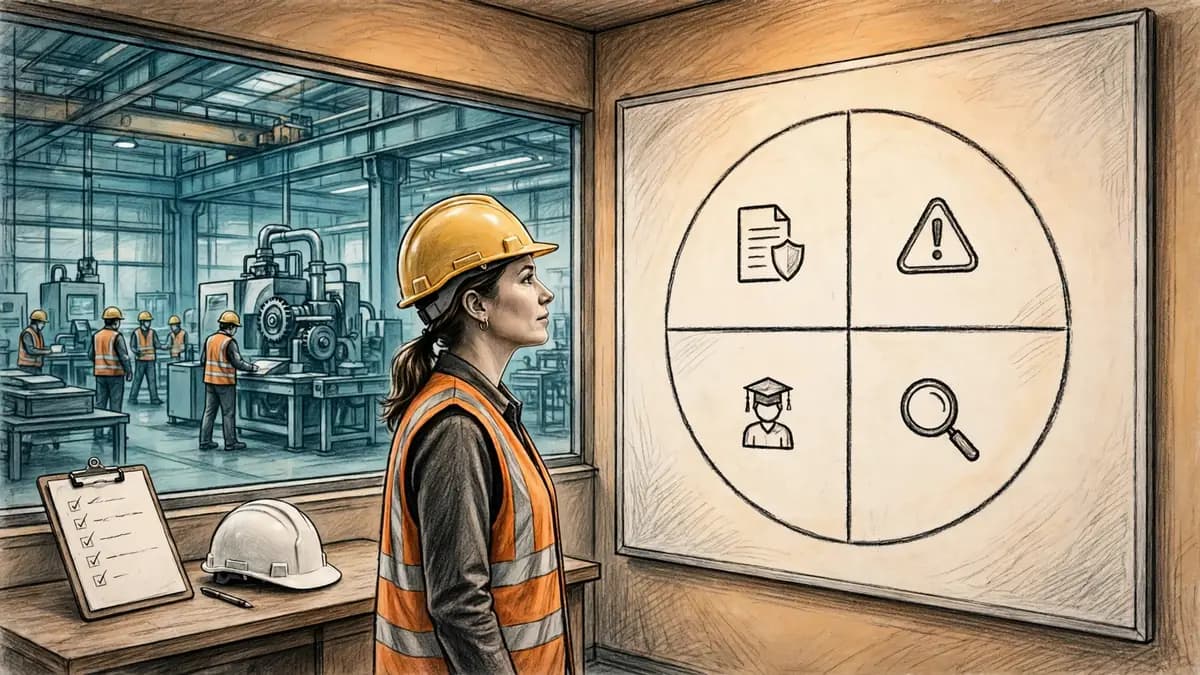
A safety management system turns scattered safety work into one framework: policy, risk management, assurance and promotion, built step by step.
Safety training is the structured teaching that lets workers recognise hazards, use controls correctly and respond when something goes wrong. Types, topics, legal duties in the US and UK, delivery methods and proof of competence.
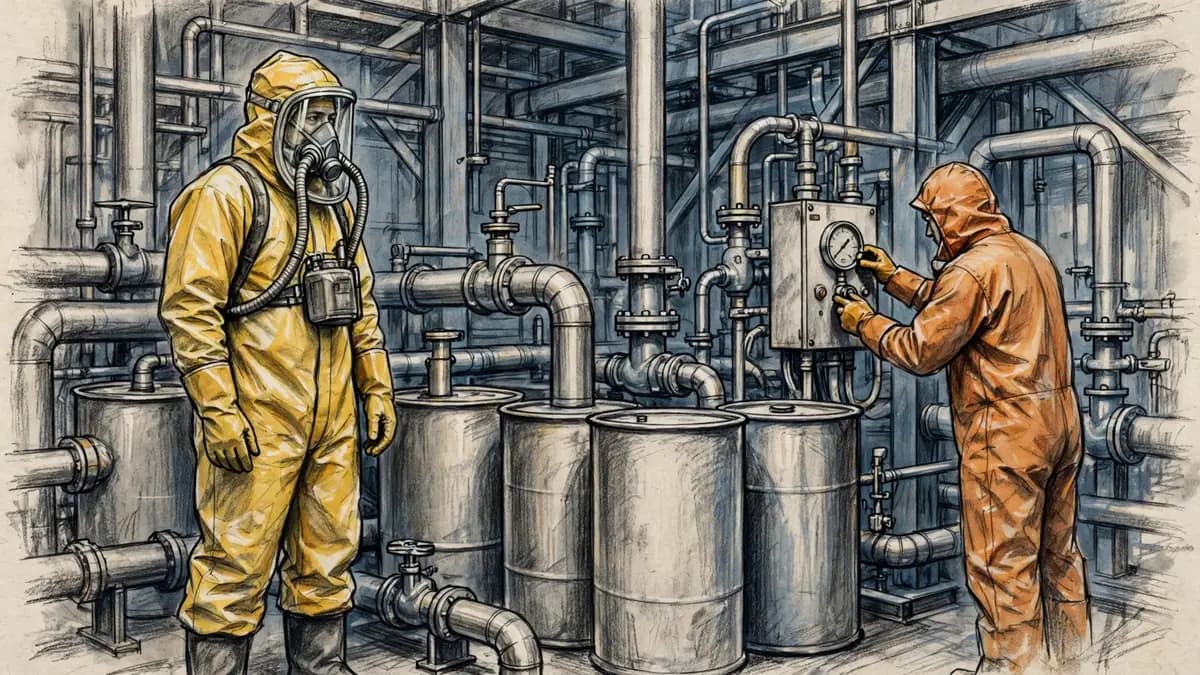
Levels A to D, the six European suit types, and a step-by-step way to match the suit to the chemical, the task and the wearer, plus fitting, decontamination and heat-stress limits.
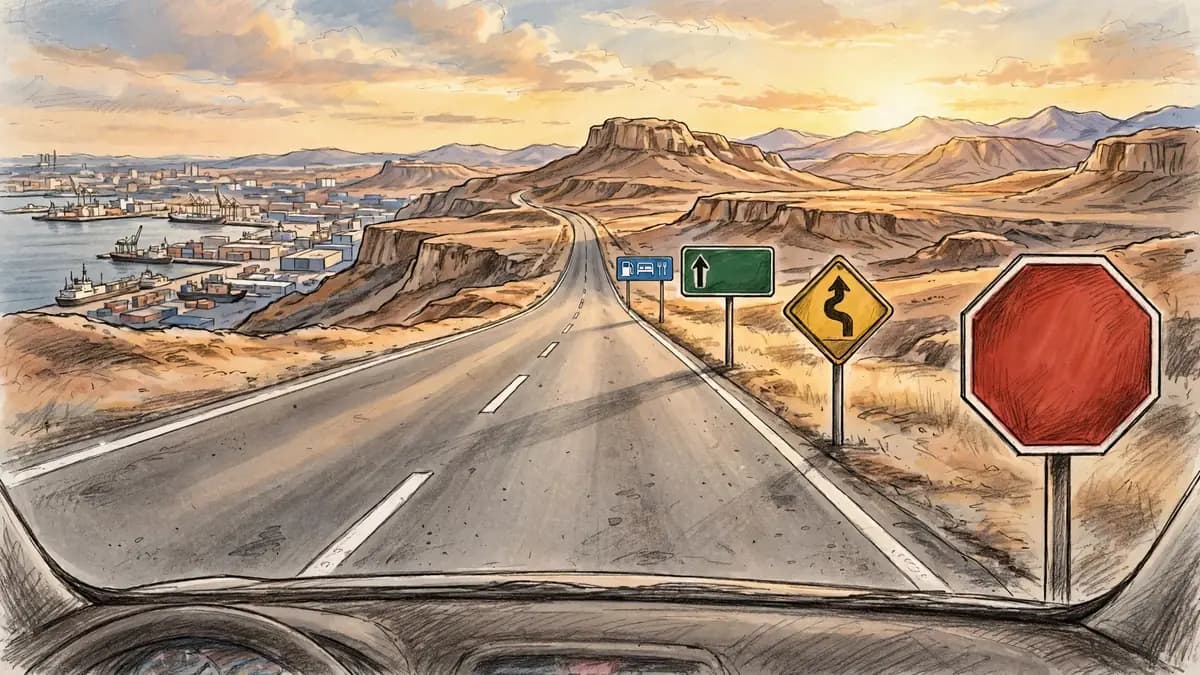
A place-by-place guide to road signs: motorways, junctions, roundabouts, school zones, work zones, level crossings, low bridges, rural roads and car parks — what each sign means and what to do when you meet it.